


Radiology
Private MEVA Hospital
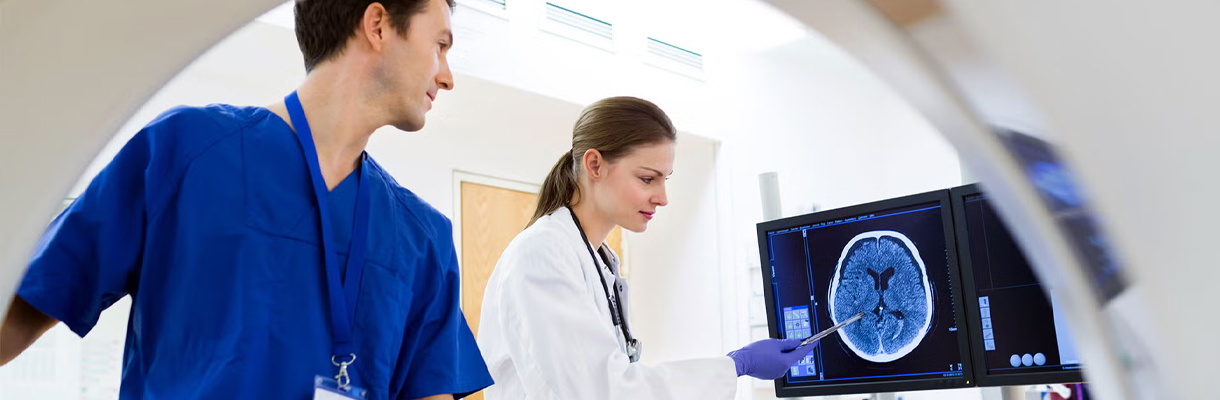
Radiology is a medical specialty that utilizes advanced imaging technologies for the diagnosis of diseases, the creation of treatment plans, and monitoring the treatment process. Through X-rays, magnetic resonance imaging (MRI), computed tomography (CT), ultrasound, and nuclear medicine applications, the internal structures of the body are visualized in a detailed and reliable manner.
The radiological images obtained enable physicians to assess the disease accurately, make early diagnoses, and determine the most appropriate treatment methods. In this regard, radiology is one of the fundamental and indispensable diagnostic units in modern medicine.
Radiologists are specialists who plan imaging procedures, interpret the obtained images, and perform interventional procedures when necessary. The Radiology Department at Meva Hospital aims to conduct diagnostic processes with high accuracy using current technologies and experienced staff.
What Does the Radiology Department Cover?
The Radiology Department plays an active role in evaluating diseases related to many organs and systems in the body. The main areas of examination include:
Musculoskeletal system: Fractures, dislocations, joint diseases, and degenerative changes
Brain and nervous system: Brain tumors, vascular diseases, infections
Cardiovascular system: Vascular stenosis, blockages, aneurysms
Lungs and chest area: Infections, masses, lung diseases
Abdomen and internal organs: Liver, kidneys, pancreas, stomach, and intestinal diseases
Soft tissue lesions and masses
Thanks to advanced imaging techniques, many diseases can be detected at an early stage, and the treatment process can be planned more effectively.
Diagnostic and Treatment Services in the Radiology Department
The Radiology Department at Meva Hospital performs both diagnostic and interventional radiology procedures. The main services provided include:
Digital X-ray
Computed tomography (CT)
Magnetic resonance imaging (MRI)
Ultrasound
Color Doppler ultrasound
Mammography
Fluoroscopic imaging
Angiographic procedures
Interventional radiology procedures
All imaging procedures are conducted with patient safety as a priority and in accordance with international standards. With digital archiving (PACS) and tele-radiology systems, images are securely stored, and rapid consultation with different specialist physicians is made possible.
When Should You Consult the Radiology Department?
Radiological examinations are typically planned by the referring specialist physician. Radiological evaluation may be necessary in the following situations:
Persistent or severe headaches
Chest pain and shortness of breath
Abdominal, back, or lower back pain
Bone and joint pain
Trauma after a fall or traffic accident
Sudden vision or hearing loss
Unexplained fever
Swelling or masses felt in the body
Unexplained weight loss
Abnormal findings in blood tests
The physician determines the most appropriate imaging method based on the patient’s complaints and preliminary diagnosis.
Frequently Asked Questions
What are the main imaging methods used in radiology?
The most commonly used methods in radiology are X-rays, MRI, CT, ultrasound, and nuclear medicine applications.
Are radiological tests safe?
Most radiological examinations are safe. Radiation-based methods are applied only when necessary and in controlled doses. Methods like MRI and ultrasound do not involve radiation.
Is preparation required before the examination?
Some imaging procedures may require preparations such as fasting, drinking water, or removing metal objects. Necessary information will be provided to the patient before the appointment.
How long does it take to get the results?
Depending on the type of examination, results are usually reported on the same day or within a few days. In emergency situations, evaluations are prioritized.
Do radiological procedures cause pain?
Diagnostic imaging procedures are generally painless. In interventional radiology procedures, mild discomfort may be felt.
Can radiological examinations be performed during pregnancy?
During pregnancy, radiation-based examinations are avoided whenever possible. Safe methods such as ultrasound are preferred when necessary.
Which diseases can be diagnosed with radiology?
Fractures, tumors, infections, vascular diseases, internal organ issues, and many systemic diseases can be evaluated through radiological methods.
