


Face and Neck Lift
Private MEVA Hospital
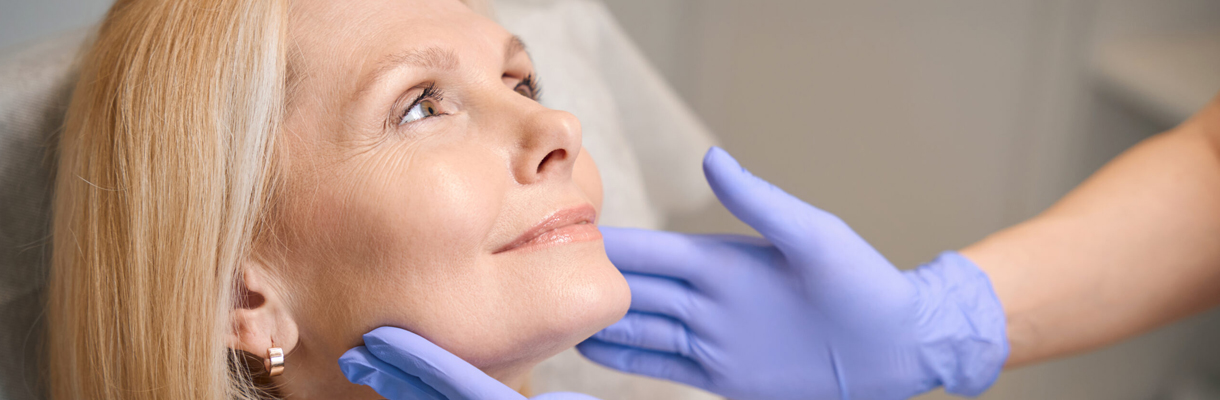
As time progresses, factors such as gravity, environmental factors, stress, smoking and alcohol consumption, irregular eating habits, and sun exposure lead to noticeable signs of aging on the face. During this process, the skin loses its elasticity, soft tissues decrease, and facial features begin to sag downward.
The main goal of facelift surgeries is to reposition sagging tissues to create a more youthful, dynamic, and lively appearance. During this procedure, not only the skin but also the underlying muscles and connective tissues are reshaped.
Signs of Aging in the Face
The main changes observed in the face with aging include:
Deepening forehead lines
Drooping eyebrows
Sagging of the upper and lower eyelids
Wrinkles around the eyes, often referred to as “crow’s feet”
Puffiness and fine lines under the eyes
Sagging cheeks and loss of volume in the cheekbones
Prominent nasolabial folds (nose-to-mouth lines)
Loss of definition in the jawline
Sagging and fat accumulation in the neck and double chin area
Banding and deep wrinkles in the neck
Increased sunspots
How Is Facelift Surgery Performed?
Facelift surgeries can be planned for the upper face (forehead and eyebrow area), middle face (eye area and cheeks), and lower face-neck area, depending on the need.
During the surgery, sagging skin and tissues are repositioned to their anatomical positions, excess skin is removed, and the face is tightened. Incisions are usually made along the natural folds in the scalp, in front and behind the ears, making the surgical scars almost invisible.
Facelift surgeries can provide more effective and balanced results when combined with eyelid surgery, brow lift, skin rejuvenation, Botox, or filler applications.
Surgery Duration
Facelift surgery is usually performed under general anesthesia and takes about 2–5 hours. If additional procedures, such as eyelid surgery, forehead lift, or brow lift, are performed during the same session, the surgery time may be longer.
Post-Surgery Process
Patients are generally kept under observation in the hospital for one night after the surgery. Pain is usually mild and can be controlled with painkillers. In some cases, drains may be placed for removal a few days later.
Swelling and bruising on the face in the first days are normal. These effects usually subside significantly within 1–2 weeks. After this period, the patient can comfortably return to daily life.
The effects of facelift surgery performed with the proper technique in suitable patients can last on average 8–10 years. However, it should be noted that the aging process continues after the surgery.
Neck Lift Surgery
Neck lift surgeries are performed to eliminate aging signs such as sagging, wrinkles, thickening, and the formation of a double chin in the neck area.
The effects of gravity on the skin, muscles, and connective tissues cause noticeable looseness in the neck. This condition can make a person appear older than they actually are, affecting their overall appearance.
How Is Neck Lift Surgery Performed?
In neck and lower face lifting procedures, small incisions are made in front and behind the ear or under the chin to free the skin. Excess skin is removed, and if necessary, liposuction is performed to remove fat tissue from the double chin and under the jawline.
Neck lift procedures are often planned together with facelift surgery to achieve a more balanced and natural result. The surgery is typically performed under general anesthesia.
The incisions are placed in natural folds, so the surgical scars gradually become less noticeable and do not attract attention.
Post-Neck Lift Surgery
In the first days after surgery, mild pain, bruising, and moderate swelling may occur. These conditions are temporary and will subside within a short period.

Op. Dr. Teoman ERASLAN
Plastic Surgeon

Op. Dr. Esat Tevfik ÇETİN
Plastic Surgeon
I’M DR. ESAT TEVFIK ÇETIN. WITH A DEEP PASSION FOR...